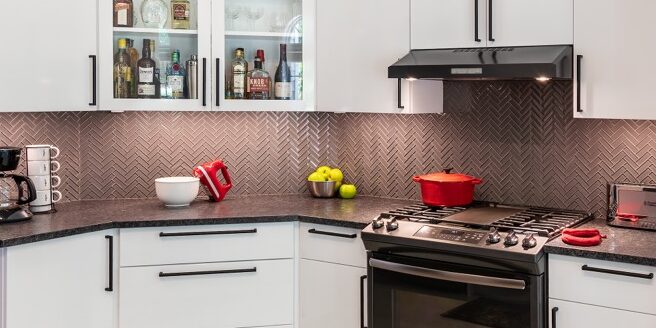

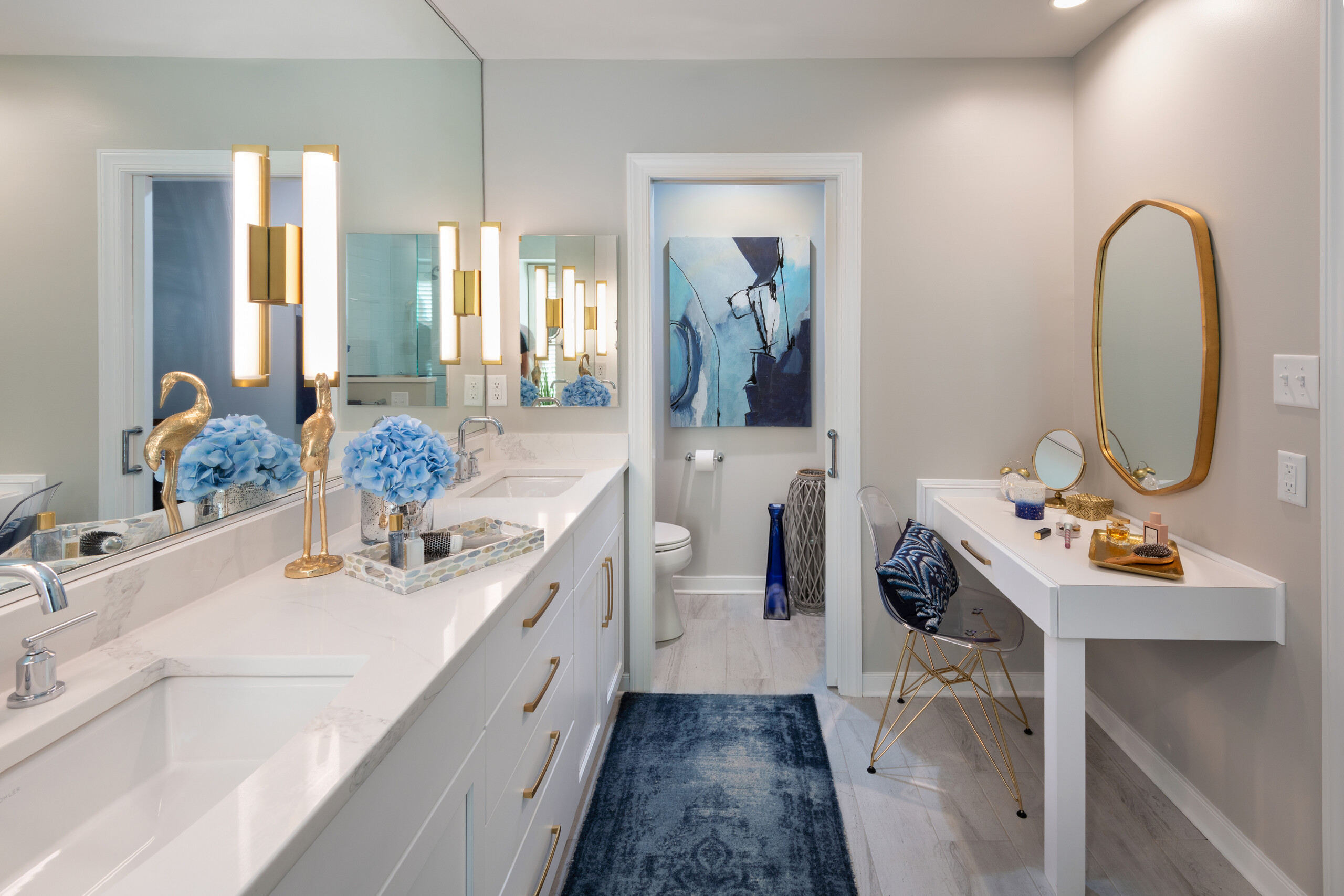
Modern interior design has evolved into one of the most sought-after aesthetics for homeowners seeking clean lines, purposeful spaces, and a clutter-free environment. Characterized by a less is more philosophy, this design movement champions simplicity, unadorned surfaces, and a seamless connection between indoor and outdoor spaces. Rather than relying on heavy ornamentation, modern interiors let architectural integrity, curated materials, and natural light take center stage.
Key Elements of Modern Interior Design
Architectural Details
The architecture establishes the foundation of a modern interior. Rather than relying on elaborate decorative features, modern design allows the structure and materials of a space to become focal points.
- Clean, straight lines: Sharp horizontal and vertical lines create a crisp, organized appearance.
- Open floor plans: Connected living, dining, and kitchen areas promote visual continuity and spaciousness.
- Large windows: Expansive windows bring natural light into the home while emphasizing connections to the outdoors.
- Minimal millwork: Simple trim and understated architectural details maintain a streamlined appearance.
- Functional built-ins: Custom cabinetry and integrated storage reduce clutter while contributing to the overall architecture.
Modern Color Palettes
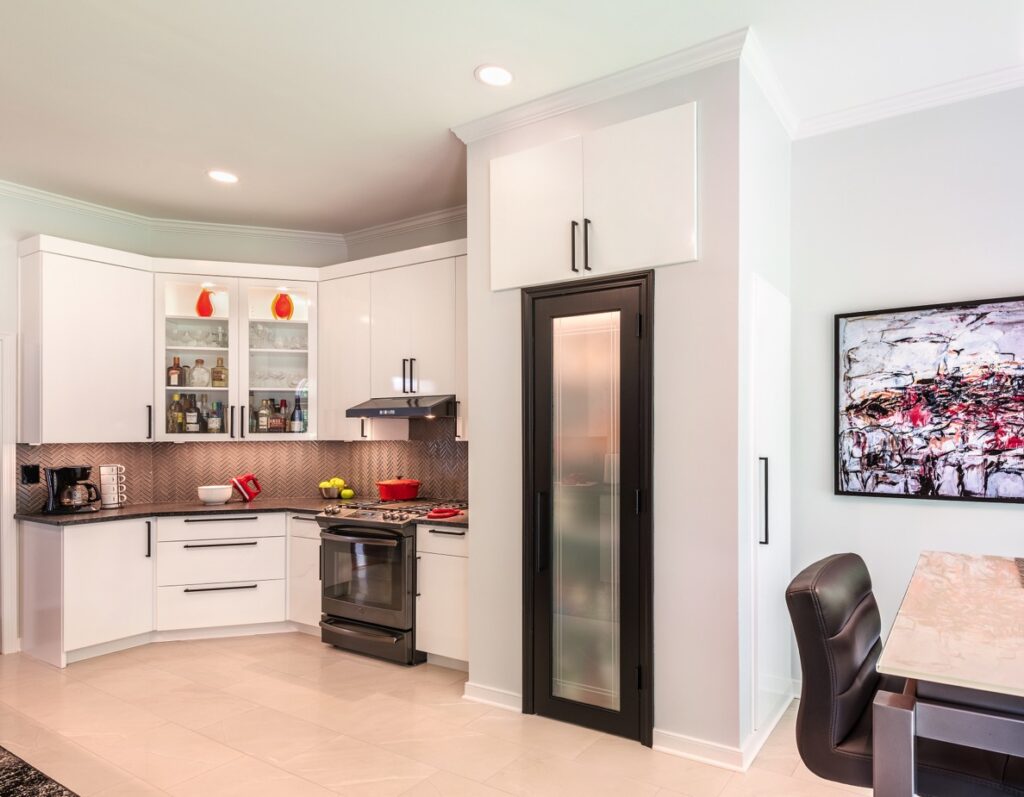
Color plays an important role in creating the calm, structured atmosphere associated with modern interiors. Neutral shades often provide the foundation, while darker accents add definition and contrast.
Common modern color palettes include:
- Crisp white and soft gray
- Beige and warm taupe
- Charcoal and black
- Natural wood tones
- Muted earth tones
- Occasional bold accent colors
Natural wood can add warmth to a predominantly neutral space, while black or charcoal elements can create a stronger visual contrast.
Materials and Finishes
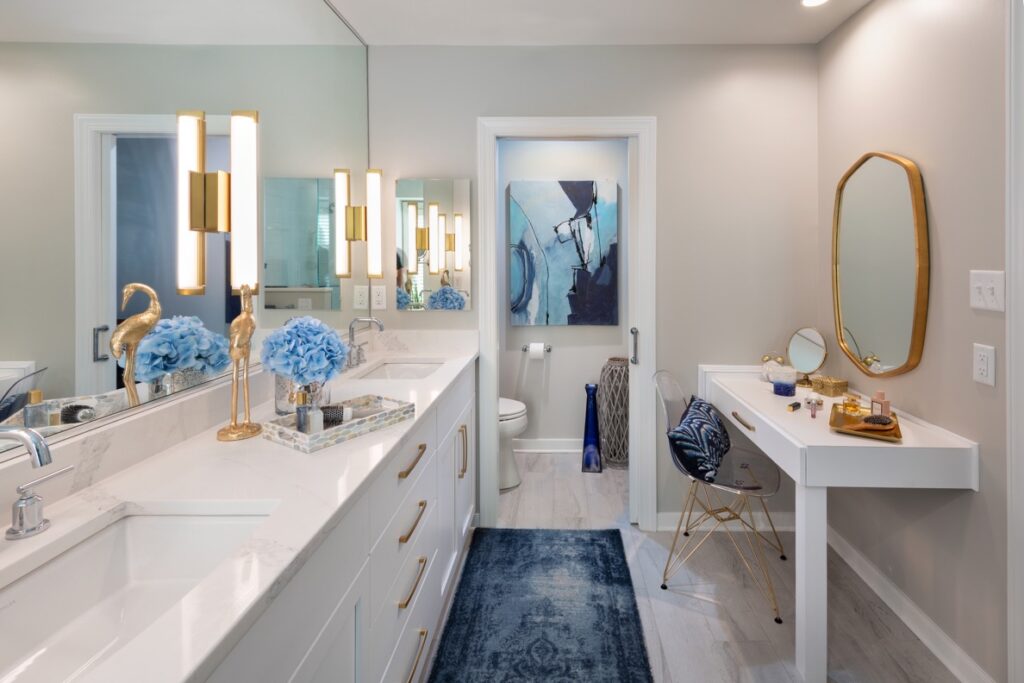
Modern design highlights materials rather than excessive decoration. Wood, glass, concrete, natural stone, metal, and leather can work together to create depth and visual interest.
Sleek quartz countertops, large-format tile, smooth cabinetry, matte finishes, and understated metal hardware are particularly effective in modern kitchens and bathrooms. Contrasting textures prevent minimalist spaces from appearing flat while preserving the clean aesthetic.
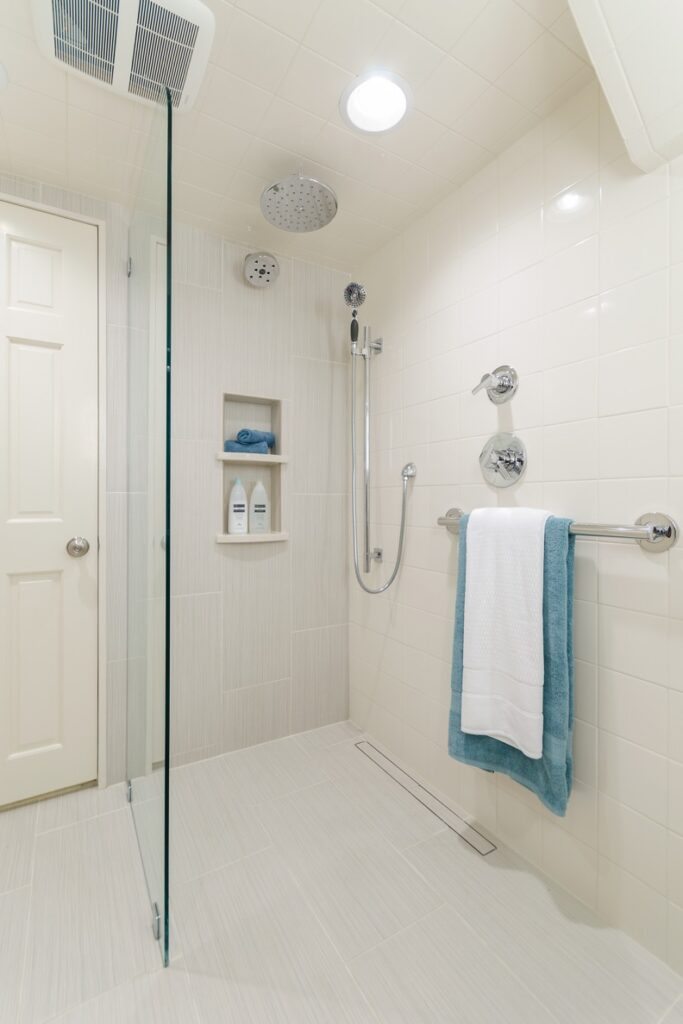
Modern Design in Home Remodeling
Modern design offers a flexible approach to home remodeling, allowing architectural improvements and updated finishes to work together as a cohesive design. Kitchen remodels, bathroom renovations, and whole-home projects can incorporate modern elements through improved layouts, streamlined storage, contemporary materials, and intentional lighting. The result is a home that emphasizes simplicity, functionality, and timeless visual appeal.